Expert Locksmith: When to Call the Experts for Your Security Needs
A skilled locksmith plays an essential role in ensuring peace of mind. see the facts Most people fail to notice the telltale signs that point to a need for professional help. Issues like a malfunctioning security lock or the impact of a security breach can jeopardize security. Knowing when to call for assistance is crucial. As criminal tactics change, so do the remedies. What factors should be evaluated before picking up the phone?
Identifying the Indicators: When to Call a Locksmith
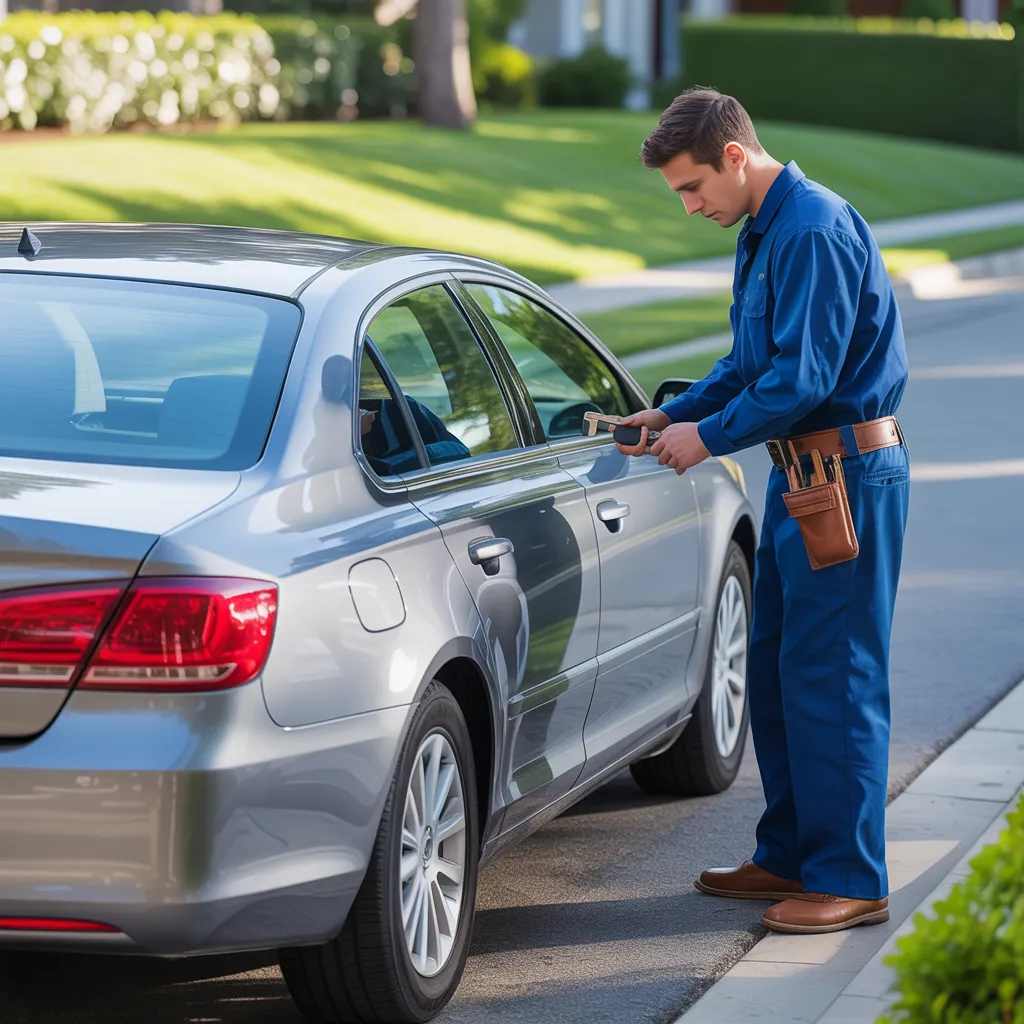
When should one consider calling a locksmith? Someone might need to reach out to a locksmith when they experience problems with their locks or security systems. Signs such as a key that breaks off in the lock or a lock that becomes difficult to turn are clear indicators of potential problems. Furthermore, if an individual finds themselves locked out on multiple occasions, this could indicate a requirement for expert help.
In addition, after moving into a new home, it is wise to enlist the help of a locksmith to replace the locks for security purposes. Safety improvements, such as installing high-tech locks or alarm systems, also necessitate the advice of an expert. Finally, if a homeowner identifies signs of forced entry or security breaches, swift measures should be implemented by hiring a locksmith to evaluate and strengthen security protocols. Recognizing these signs guarantees that individuals can maintain their safety and peace of mind.
Why Contacting a Locksmith When Locked Out Matters?
Being caught in a lockout situation can be both frustrating and overwhelming. During these difficult moments, the value of contacting a professional locksmith cannot be emphasized enough. A locksmith possesses the specialized tools and expertise required to address lockouts efficiently and safely, limiting the potential for harm to your property. Trying to regain access without the assistance of a professional can result in damaged locks or doors, leading to expensive repairs.
Additionally, locksmiths are equipped to handle various types of locks and security systems, delivering a prompt resolution tailored to the specific situation. Their understanding of security protocols also enhances the safety of the property after re-entry. Furthermore, professional locksmiths can provide valuable advice on strengthening security measures, preventing future lockouts. When all is said and done, relying on a locksmith is not just about obtaining entry; it is an important step in preserving both the integrity of the property and the sense of security of the individual shut out.
What to Do When You're Locked Out?
Getting locked out can be a disorienting experience that calls for quick thinking. The most important thing is to stay composed and evaluate your options. Inspecting for any accessible windows or alternative entry points can occasionally offer a quick resolution. If no options are available, it is advisable to get in touch with a dependable family member or close friend who may hold onto an extra copy of your key.
If these measures fail, professional help becomes necessary. Contacting a locksmith is frequently the best solution for regaining entry in a safe and timely manner. Individuals should avoid attempting to force entry, as this can create significant damage that may require costly fixes.
Prior to the locksmith's arrival, gathering necessary information, such as identification and proof of residence, can speed up the process. Ultimately, being locked out serves as a reminder of the value of establishing a backup strategy for accessing secure spaces.
Why It's Smart to Upgrade Your Locks
After resolving a lockout situation, numerous people become aware of the significance of security in their homes. Investing in lock upgrades acts as a forward-thinking approach to strengthen home protection. Older locks may not provide adequate protection against modern burglary techniques, highlighting the need to choose stronger security solutions.
Premium security locks, for example, deliver cutting-edge features that discourage unwanted access. These locks often include pick-resistant mechanisms and durable materials, ensuring a more robust defense. Moreover, advanced smart locks deliver practical convenience and remote monitoring, empowering homeowners to manage their security from virtually anywhere.
Additionally, insurance companies may extend lower rates for homes featuring upgraded security systems, presenting financial incentives for homeowners to enhance their lock systems. At the end of the day, upgrading locks not only enhances physical security but also promotes peace of mind, ensuring that residents feel safe in their own environment. This well-considered investment is a critical step toward comprehensive home security.
What to Anticipate From a Complete Security Assessment
When property owners request a comprehensive security evaluation, they can expect a complete assessment of their residence's security gaps and advantages. Experienced security specialists begin by evaluating entry locations such as doors, windows, and garages to detect existing security flaws. They examine the integrity and functionality of installed lock systems, flagging any deteriorated or aging components that may weaken the property's defenses.
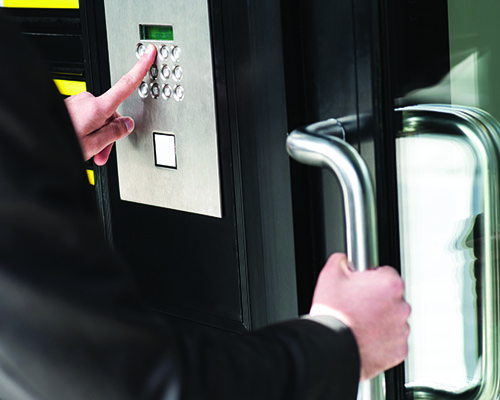
Additionally, the evaluation incorporates evaluating the surrounding area, factoring in factors such as area crime statistics and line of sight. Lock and security experts commonly advise upgrades such as heavy-duty locks or alert systems designed for the property's specific needs. They may also provide recommendations regarding access control systems, surveillance cameras, and perimeter lighting solutions.
The objective of the evaluation is to produce a thorough report summarizing discoveries and suggesting effective solutions, ultimately helping homeowners reach educated choices about their safety protocols. This preventive strategy ensures a comprehensive strategy for safeguarding the property against the risk of unforeseen vulnerabilities.
Common DIY Pitfalls to Avoid When Managing Locks
When dealing with lock issues, many people make frequent errors that can worsen the situation. Ignoring specific lock types, applying excessive lubricants, and improperly using tools can lead to more serious issues. Understanding these errors is crucial for efficient lock care and protection.
Overlooking Lock Types
Although many homeowners try to handle lock problems themselves, overlooking the distinct types of locks can cause significant and costly blunders. Different locks, such as deadbolts, smart locks, and mortise locks, each have unique mechanisms and installation requirements. A limited understanding of locks can cause improper repairs or replacements, ultimately jeopardizing security. To illustrate, forcing a key into a misaligned lock risks damaging both the lock and the key, making expensive replacements necessary. Additionally, mixing up lock types may lead to ineffective solutions and further complications. To avoid these pitfalls, homeowners should assess their locks carefully and consider consulting a professional locksmith when uncertain about their specific needs.
Excessive Use of Lubricants
Many homeowners make the error of applying too much lubricant to their locks, thinking that more is better for smooth operation. This widespread misunderstanding can result in an accumulation of too much lubricant, which collects dirt and grime, leading to locks that become difficult to operate or completely jammed. Each type of lock demands a specific kind of lubricant; to illustrate, graphite tends to be the preferred option for pin tumbler locks, while silicone sprays are suitable for others. Applying too much lubricant can generate a slick surface that interferes with the lock's mechanism, causing the lock to become harder to operate. Rather than enhancing performance, too much lubrication can result in expensive repairs or require the assistance of a professional locksmith. Understanding the right amount and type of lubricant is essential for maintaining peak lock performance.
Properly Misusing Tools
Using the wrong tools during lock repairs can lead to frustrating outcomes and potential damage. A large number of DIY individuals overlook how critical it is to use the appropriate tool. To illustrate, substituting a screwdriver for a dedicated lock pick can result in stripped screws or broken internal mechanisms. Moreover, exerting excessive force can lead to locks jamming or becoming permanently damaged. Common mistakes include using pliers to turn a key or attempting to force a stuck lock open without proper technique. Such actions frequently lead to additional problems that require expert assistance. In order to steer clear of these mistakes, individuals should learn about lock mechanisms and the dedicated tools intended for lock repairs. When in doubt, consulting a professional locksmith can save time and prevent costly mistakes.
Common Questions and Answers
How Do I Choose a Reputable Locksmith Service?
To identify a reliable locksmith service, one should research online reviews, validate credentials, check for insurance, and seek recommendations. Comparing multiple options guarantees well-informed decisions, resulting in reliable and trustworthy service.
What Qualifications Should a Certified Locksmith Hold?
A qualified locksmith ought to have credentials including the Certified Locksmith (CL) credential, Registered Locksmith (RL), and the Master Locksmith (ML) certification from accredited institutions. Such qualifications demonstrate skill, dedication, and commitment to professional standards, guaranteeing dependable service to customers.
Are Locksmith Services Offered 24 Hours a Day?
Locksmith services are often available 24/7, providing essential assistance during emergencies including lockouts and security vulnerabilities. Many professionals prioritize accessibility, guaranteeing that customers can get assistance at any time, regardless of the time.
What Is the Typical Cost of Locksmith Services?
Locksmith pricing generally falls from $50 to $150 for routine jobs, such as lockouts or rekeying. That said, emergency services and specialized work may incur higher fees, often exceeding $200 based on the complexity of the job.
Can a Locksmith Help With Electronic Security Systems?
Certainly, a locksmith is able to help with electronic locking systems. These professionals possess the skills to install, repair, and maintain various digital locking mechanisms, guaranteeing maximum performance and security for both residential and commercial properties.